About Flask Erlenmeyer, Narrow Mouth, Borosilicate Glass
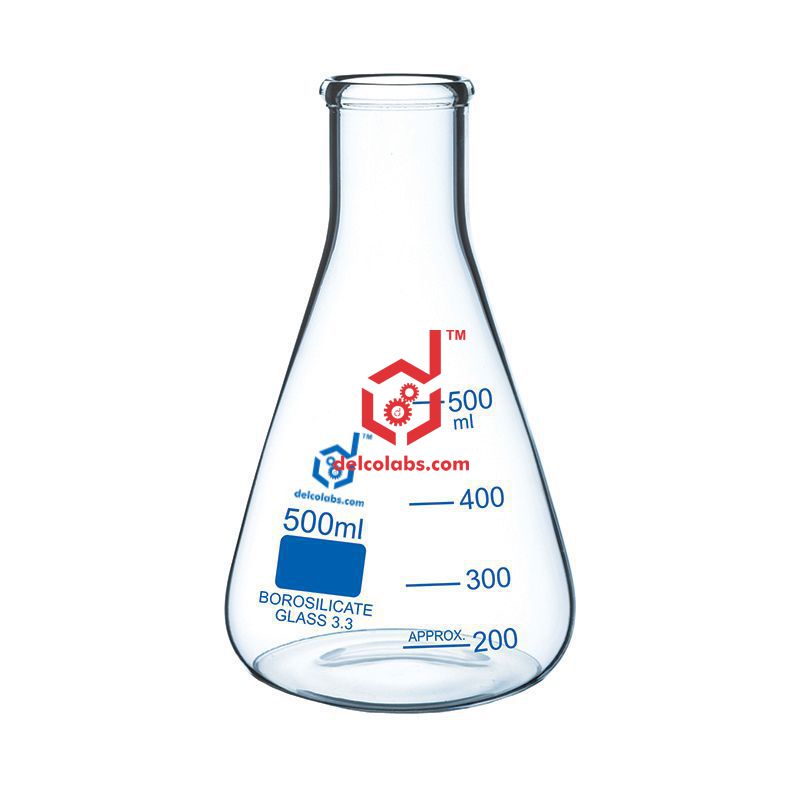
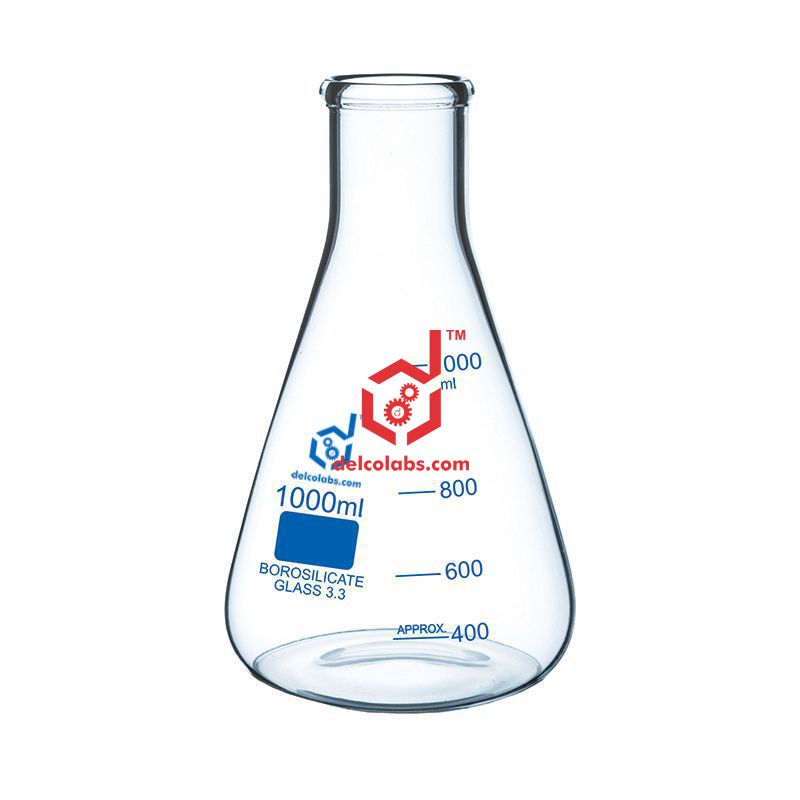
Conformity to ISO 1773 Standard. Printed in white or blue color. Uniform wall thickness distribution makes these flasks Ideal for heating. Strong sturdy rim and all sizes have an easy to read scale & durable matt finished enameled area for marking. The conical form makes them suitable for mixing liquids.Superior Chemical and Thermal EnduranceCrafted from Borosilicate Glass 3.3, this Erlenmeyer flask boasts outstanding resistance to acids, alkalis, and solvents, making it highly durable for a wide range of laboratory protocols. It comfortably withstands thermal extremes, performing flawlessly whether subjected to direct flame or autoclaving at 121C. This ensures reliable results across various experimental setups.
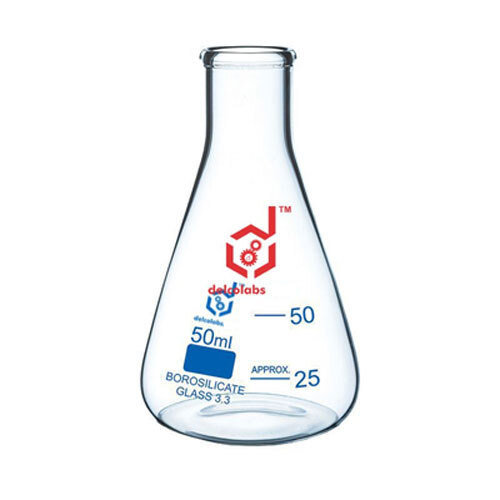
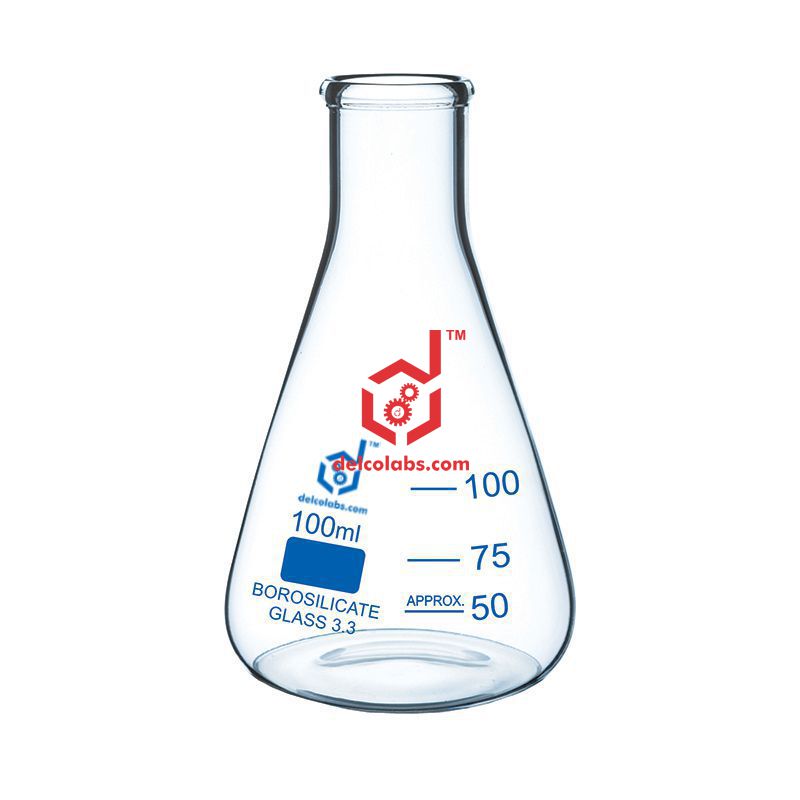
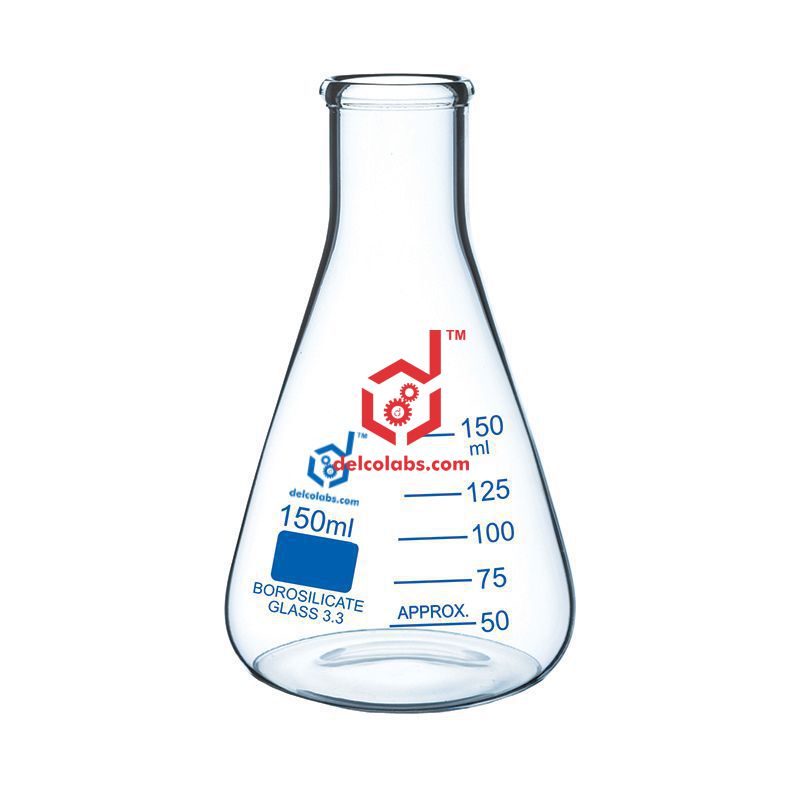
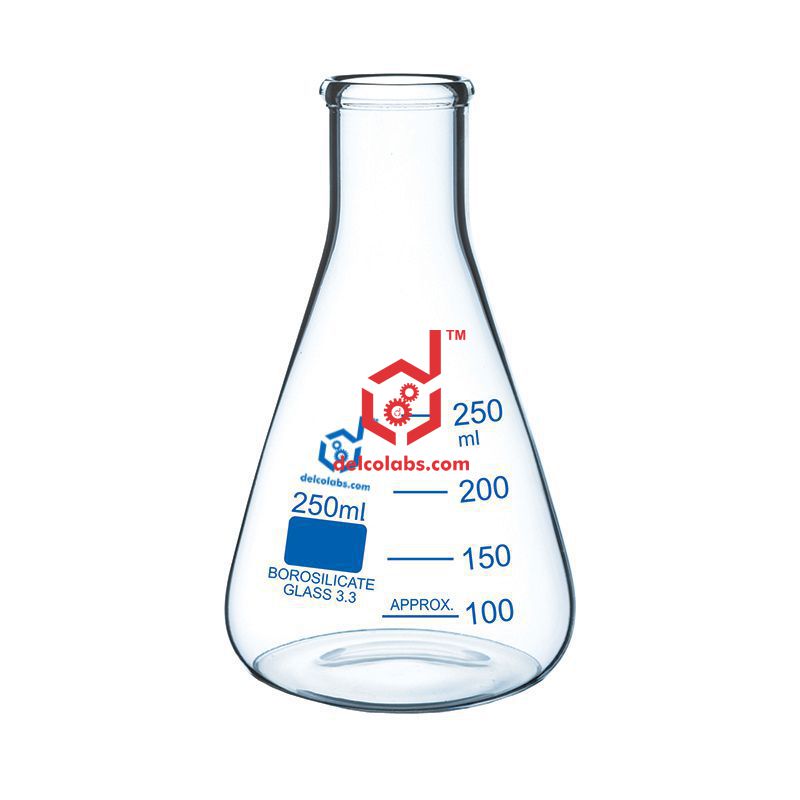
Graduated for Sensorial PrecisionFeaturing clear, white ceramic graduation markings, the flask enables easy and quick estimation of liquid volumes. Though increment details vary by size, these markings-accurate within 5%-make it simple to prepare and measure solutions, enhancing workflow efficiency for both routine and advanced laboratory tasks.
Versatile Laboratory UtilityWith a conical shape and narrow neck, this flask is ideal for mixing, swirling, storing, heating, and even culturing applications. Its robust construction and compatibility with industry-standard stoppers increase its adaptability for chemical, biological, and industrial laboratories alike.
FAQ's of Flask Erlenmeyer, Narrow Mouth, Borosilicate Glass:
Q: How can the Flask Erlenmeyer be sterilized for laboratory use?
A: This flask is autoclavable and can be safely sterilized at 121C using standard autoclaving procedures. Its Borosilicate Glass construction ensures thermal stability during heat-based sterilization processes.
Q: What types of chemicals can be used with this flask?
A: Designed for excellent chemical resistance, the flask can handle a broad range of substances-including acids, alkalis, and organic solvents-without degradation or contamination, making it ideal for most laboratory applications.
Q: When should I use a narrow mouth Erlenmeyer flask instead of a wide mouth version?
A: Narrow mouth Erlenmeyer flasks are best for minimizing evaporation, controlling pouring or transfer of liquids, and reducing contamination risk. They're particularly suited for culturing or storing volatile chemicals.
Q: Where are the volume markings and how accurate are they?
A: White ceramic graduation markings are printed on the flask's side. Markings vary by flask size and provide approximate measurements, accurate to within 5% of the nominal volume, to guide solution preparations and transfers.
Q: What stopper sizes are compatible with this flask?
A: The narrow neck accommodates standard-sized rubber or glass stoppers available in laboratory supply stores. Exact stopper size should be matched to the nominal volume of the flask, which varies by capacity.
Q: How can this flask be safely heated during experiments?
A: Borosilicate construction enables direct heating over a flame or other heat sources. It can resist temperatures up to 400C; however, for safety and to avoid thermal shock, gradual heating and cooling are recommended.
Q: What are the benefits of reusable, ISO/DIN compliant Erlenmeyer flasks?
A: These flasks meet industry standards, offering enhanced reliability, quality, and longevity. Their reusability reduces waste and provides cost savings, while standard compliance ensures consistent performance across applications.






 Send Inquiry


 Send Inquiry


